



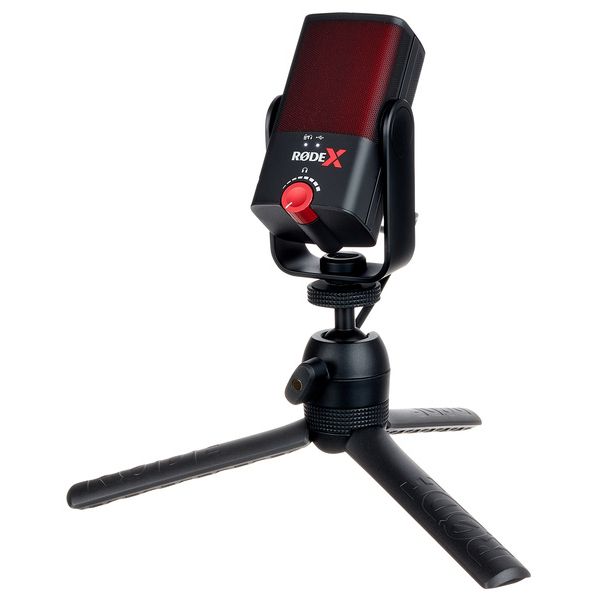
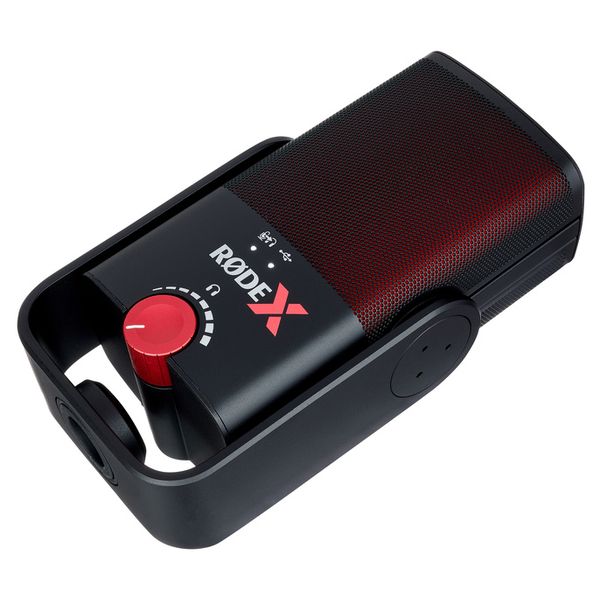
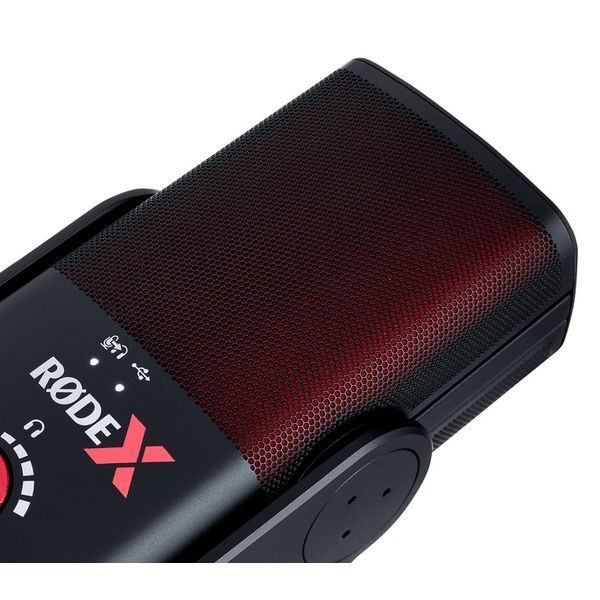
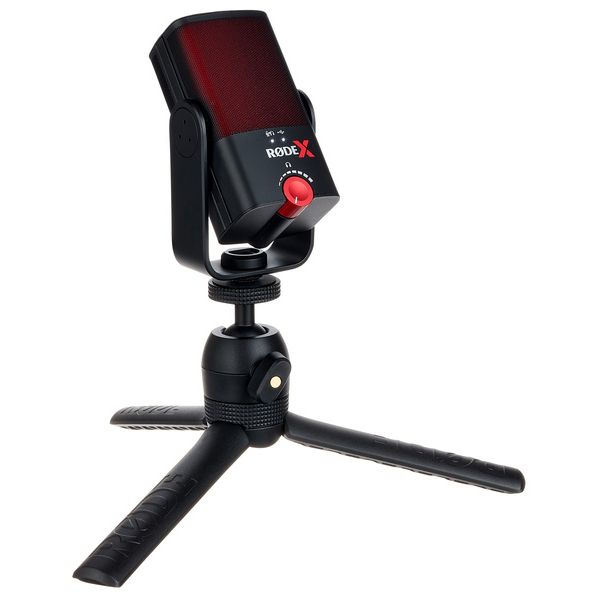
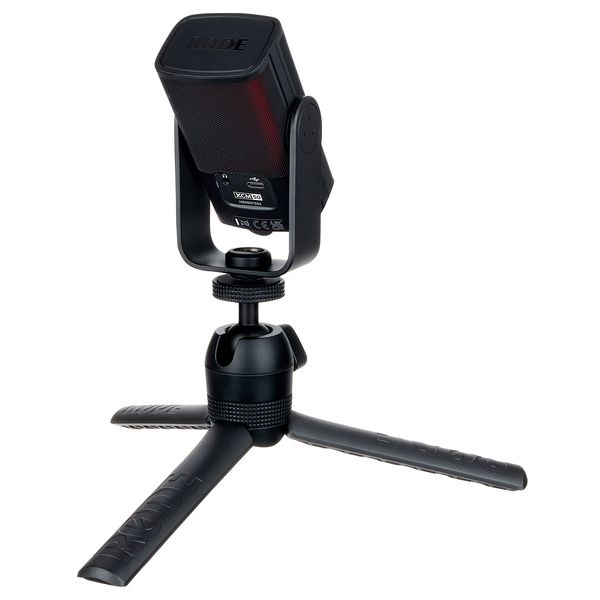


USB-C condensator microfoon
- Geoptimaliseerd voor streamers en gamers
- Vergulde 1/2" condensor capsule
- Richtingskarakteristiek: cardioïde
- Revolution High-Gain preamp met ultralage ruis
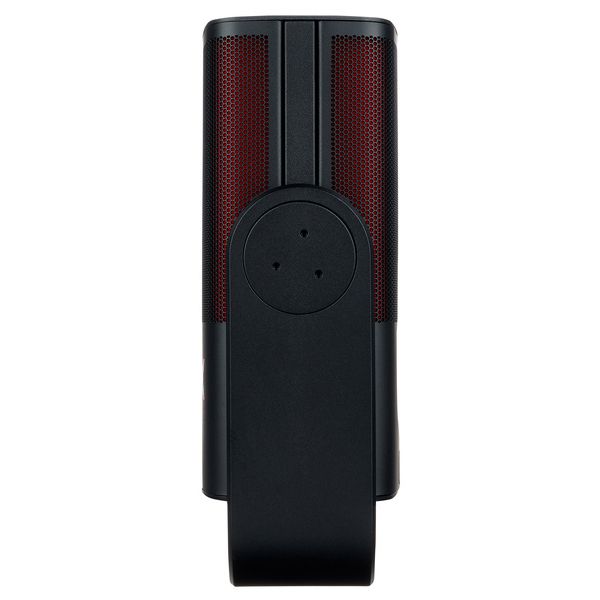
- Draaibare microfoonbehuizing
- Geïntegreerde popfilter
- Geïntegreerde DSP-chip met High-Pass filter, Noise Gate, Compressor en Aphex
- Digitale conversie: 24 bit / 48 kHz
- Maximale geluidsdruk : 121 dB
- Frequentiebereik: 20 - 20.000 Hz
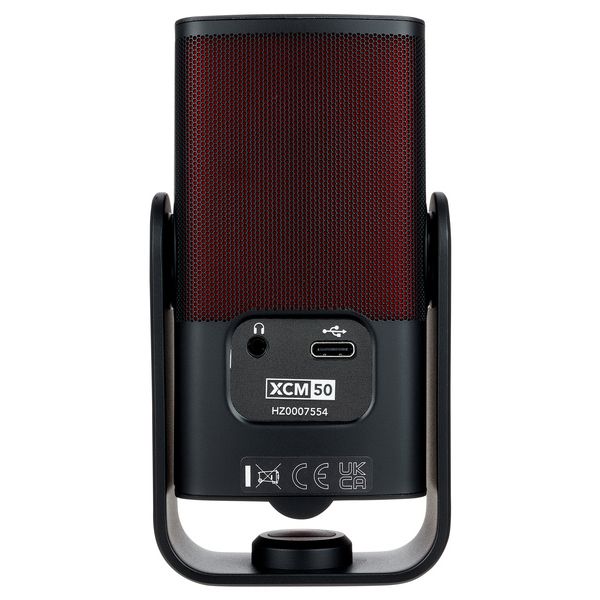
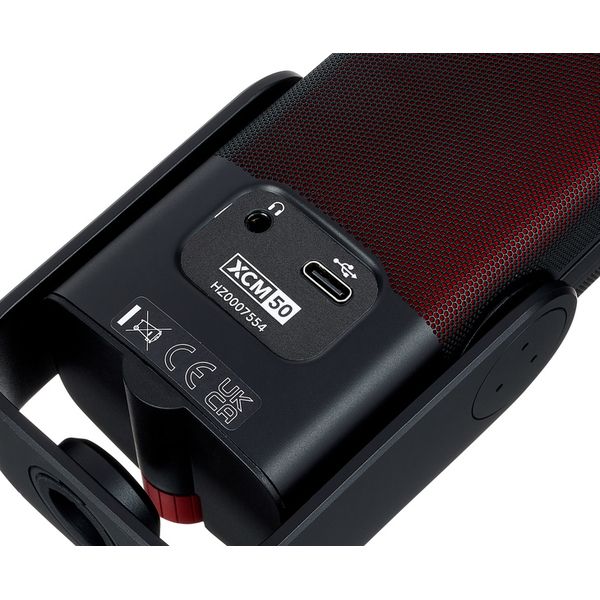
- Stereo hoofdtelefoonuitgang met Zero Latency monitoring: 3,5 mm jack
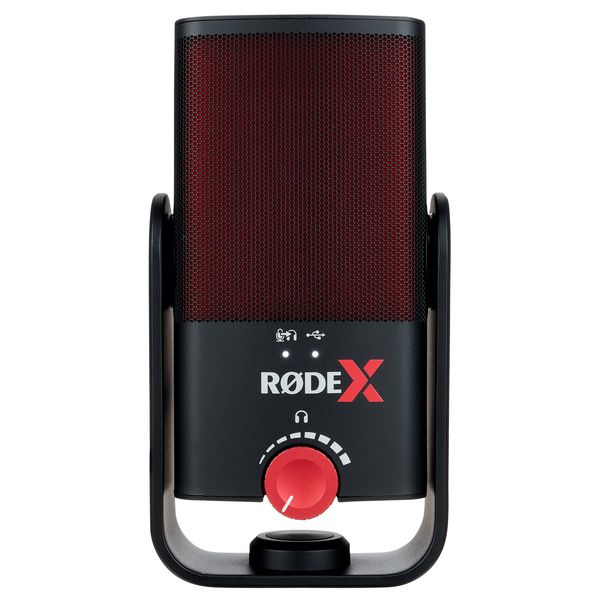
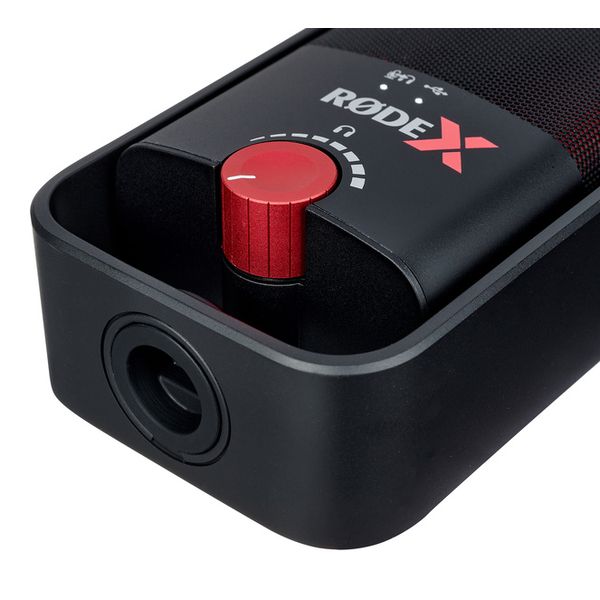
- Volume control hoofdtelefoon
- Digitale uitgang: USB-C
- Plug&Play op Mac en PC
- Afmetingen microfoon (B x D x H): 63 x 44 x 120 mm
- Gewicht: 495 g
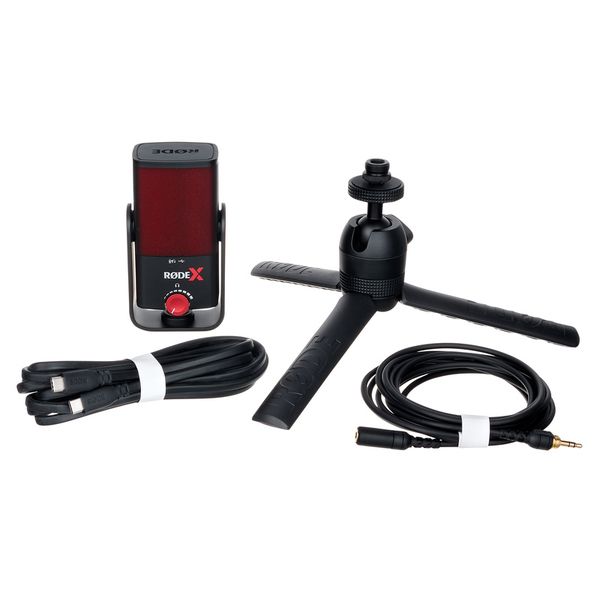
- Incl. statief met balhoofd, 3m verlengkabel voor hoofdtelefoon (3,5 mm jack), 3m USB-C naar USB-C kabel en permanente licentie voor UNIFY streaming/opnamesoftware (download)
-
Leverbaar sinds November 2022
-
artikelnummer 555319
-
verkoopseenheid 1 stuk

For pro-quality streaming and gaming
The compact XCM-50 USB microphone from Rode has been specially designed as an easy-to-operate tool for streamers and gamers, who only need to connect it to their PC or Mac using the included USB cable in order to get started. The mic, which can be positioned exactly as needed thanks to its stylish swivel-mount, delivers a transparent sound even when recording loud voices and, thanks to its inbuilt 3.5mm headphone output, enables zero-latency monitoring – even when signal processors are being used in combination with the included Windows-based Unify software to optimise the sound of the voices being recorded. In contrast to Rode's X XDM-100 dynamic microphone, which handles loud ambient noises better, the XCM-50 picks up the sound from the side, and both listeners and co-gamers will definitely be able to appreciate the sonic qualities of the condenser capsule, even when the user is further away from the mic.
)
The essence of clarity
Boasting a maximum sound pressure level (SPL) of 121dB and digital conversion at 24 bit/48kHz, the Rode XCM-50 employs a cardioid polar pattern to bring out every facet of an individual's voice over the entire range of human hearing, from 20Hz to 20kHz. The headphone output mentioned above, which is located on the rear of the mic, has a dedicated volume control on the front, ensuring the user can hear their own voice clearly together with any other sound sources that have been integrated via Unify during streams, games, and recording sessions. In addition to the Rode XCM-50, which measures just 63x44x120mm, the package additionally includes a ball-joint tabletop stand, a headphone extension cable, and a USB-C to USB-C cable for connecting the mic to a computer. The Unify software, also included as standard here, and which can be run on Windows systems from version 10 (64-bit) upwards, lets the user do more than just add effects processors to the mix – it also provides a range of outputs for use in streams and recording sessions.
)
For streamers and gamers alike
Gaming sessions can quickly become pretty animated, and Rode has taken these situations – often involving an unusual combination of plosives and explosions – into account with the XCM-50, which is designed to deliver a high level of clarity and give the user plenty of dynamic headroom. Gamers who like to move about during action-packed games will benefit from the condenser capsule's high sensitivity, as will speakers who don't like to have the microphone too close to their face. Whatever the scenario – be it a podcast, a recording session, or a live stream, users can quickly and easily adjust the volume of their headphones at any time via the rotary control, which also includes a push-button function to mute the mic. The XCM-50's compact dimensions mean that it remains visually unobtrusive while streaming, and it can even be kept completely out of sight if combined with an optional boom arm.
)
About Rode
Founded in Sydney, Australia in 1990, Rode has built a reputation as a specialist for high-quality studio microphones. The company's first product, the large-diaphragm NT1, was made entirely in-house in Australia: It quickly became a classic, and a variety of NT1 models remain in production to this day. Over the years, Rode has steadily expanded its portfolio to include a comprehensive selection of studio, live, and wireless microphones, with regular updates and additions to the lineup. More recently, the company has broadened its offering with a wide range of solutions for video, broadcasting, streaming, and content creation, establishing itself as a versatile provider of modern audio technology.
Plenty of room to manoeuvre
To allow them to play or stream entirely without distractions, users would do well to add a pair of headphones like the Rode NTH-100, which feature a closed-back design and provide a comfortable fit; anyone whose computer has a USB-A port rather than a USB-C can connect the XCM-50 using an adapter cable like the 150cm-long Rode SC18, which is certified for high-speed USB applications and gives the user a decent range of movement. To achieve optimal results with the Rode XCM-50, it should be placed between 10 and 20cm from the physical source of the sound – the ideal distance can easily be determined when monitoring with headphones. And streamers who want to keep the microphone completely out of shot can add Rode's PSA1+ boom arm to their setup.
In the spotlight
Unify software
Unify is a software programme that gives users an intuitive mixer with professional processing tools and multichannel audio recording, as well as outputs for streaming. Fully independent mixes can also be created for stream viewers, Discord chat members, the user's own headphones and speakers, and for the recording itself. Unify can be operated on Windows 10 and higher (64-bit), and up to four hardware inputs and six virtual channels can be added to the mix from other apps, including Spotify, or from the game audio. If an XCM-50 or a Rode XDM-100 is connected, the user can also enhance the signal with effects like the Aphex Aural Exciter™, Big Bottom™, reverb, high-pass filter, and noise gate.
)