


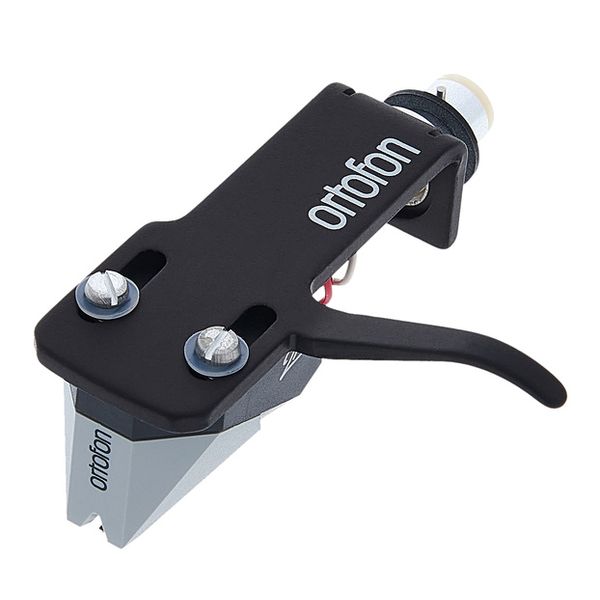
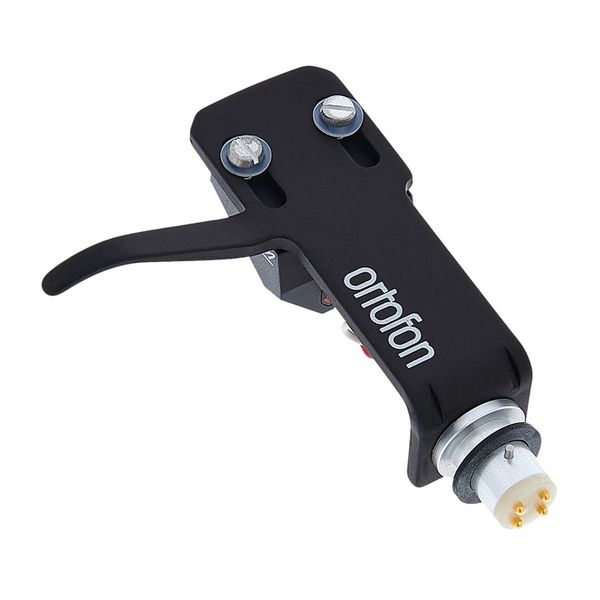
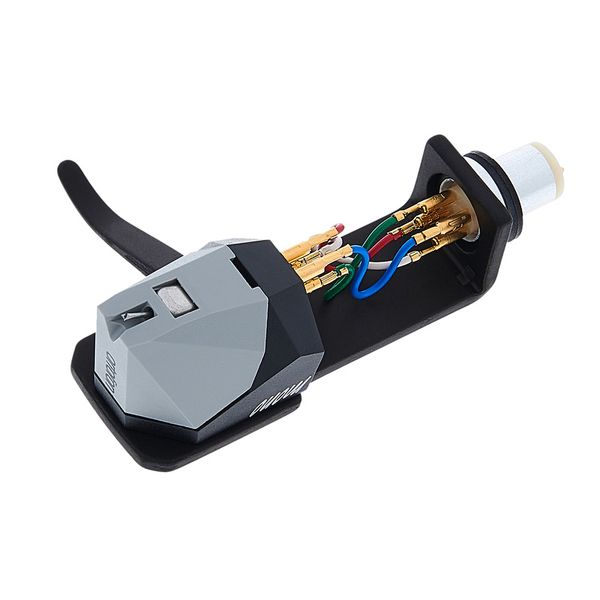
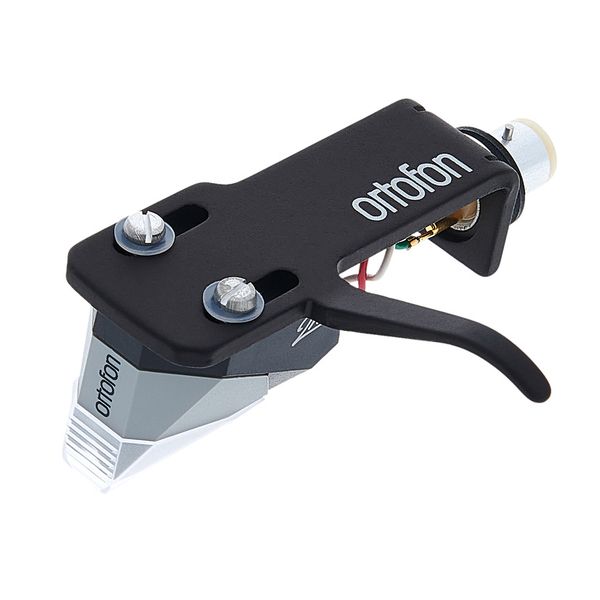
Ortofon 2M 78 Premounted on SH-4



Pickupsysteem
- Moving Magnet pickupsysteem met gemonteerde SH-4 Black Headshell
- Voor S-vormige toonarmen
- direct speelklaar zonder verdere afstelling
- Sferische naaldslijping
- Uitgangsspanning: 4 mV
- Frequentiebereik: 20 - 20.000 Hz
- Aftastvermogen bij 315 Hz: 70 μm
- Aanbevolen naalddruk: 1,8 g (18 mN)
- Aanbevolen afsluitcapaciteit: 150 - 300 pF
- Afmetingen (L x B x H): 65 x 48 x 33 mm
- Gewicht: 17 g
- Kleur: grijs
Let op: alleen geschikt voor S-vormige toonarmen, niet voor rechte toonarmen
-
Leverbaar sinds April 2023
-
artikelnummer 563429
-
verkoopseenheid 1 stuk
-
Stylus Shaping spherical
-
Require Headshell No
-
Colour Black/Gray
-
Twin/Single Single
-
Application Home/Hifi/Rec
-
Tracking force 1,8 g
-
Output Voltage in mV 4
-
Including Case No
-
Replacement Stylus No
The ideal cartridge for shellac 78s
Part of Ortofon’s widely praised 2M series of moving‑magnet cartridges, the 2M 78 is something of a specialist. It's purpose‑built for the accurate playback of shellac records running at 78 revolutions per minute. Just like the 2M Mono, the Ortofon 2M 78 reproduces the signal cut into the groove in high‑quality mono, for which it's fitted with a spherical diamond stylus specifically engineered for shellac discs. Its tough Hopelex polycarbonate‑resin body keeps the whole assembly stable, eliminating unwanted resonance. And so those classic 78s can be enjoyed in modern "plug‑and‑play" fashion, the cartridge now comes premounted on an original Ortofon SH‑4 headshell: In this version, the 2M 78 is ready to spin without any further setup.

)
Mono classics in full stereo
The Ortofon 2M 78 delivers precise tracking of the horizontal groove used on mono shellac records, ensuring an optimal, distortion‑free signal – without intrusive noise or side‑effects, and fully compatible with modern stereo systems without the need for additional converters. Thanks to Ortofon's modern and yet time‑tested moving‑magnet technology, the sound comes through with real power and plenty of detail, making it easier than ever to get lost in the music. Its specially cut diamond stylus treats treasured records with care thanks to its outstanding tracking accuracy, while also keeping stylus wear to a minimum: With proper maintenance, a 2M 78 stylus can be used for up to 1,000 hours without any loss of performance.
)
Don't shell out more for shellac!
The Ortofon 2M 78 is the ideal cartridge for anyone who's into shellac records and all the history they hold – this cartridge gets the best possible sound out of even the very oldest discs. And for vinyl enthusiasts who only want to spin shellac on their hi-fi setup from time to time, this affordable package is ideal too, because the 2M 78 comes factory‑fitted to the perfectly matched Ortofon SH‑4 headshell: As such, it can be twisted on and off any tonearm with a bayonet mount with no more than a flick of the wrist. This all means that the 2M 78 makes the fascinating world of historic 78-rpm recordings accessible even to curious newcomers, and at a very fair price.
)
About Ortofon
Founded in Denmark in 1918 by engineers Axel Petersen and Arnold Poulsen, Ortofon has been at the forefront of phono technology for more than a century. The company introduced its first magnetic pickup system, the M-15, in 1969, marking a major milestone in cartridge design. In 1982, Ortofon launched the now-iconic Concorde series, whose futuristic design went on to become a regular fixture in clubs and broadcast environments worldwide. Today, Ortofon designs and manufactures a comprehensive range of moving magnet and moving coil cartridges, covering everything from accessible hi-fi solutions to uncompromising high-end systems for the most demanding listeners.
An excellent addition to any audiophile's arsenal
The Ortofon 2M 78 is easy to integrate into existing systems or RIAA preamps, as it's connected to a standard SME bayonet mount, just like a regular stereo cartridge. This means music enthusiasts with a suitable 78‑rpm turntable can effortlessly switch between a cartridge for modern stereo vinyl and the premounted 2M 78, for optimum playback of their collection of historic shellac records. Thanks to the robust yet lightweight design of the SH‑4 headshell, it's easy to ensure the correct hi-fi geometry (Baerwald alignment). This makes the Ortofon 2M 78 the perfect pickup to round out the arsenal of demanding audiophiles who want to have the right cartridge for every job.
In the spotlight: What are shellac 78s?
Emil Berliner, an inventor and entrepreneur, is regarded as the creator of the gramophone and the phonograph records it played. From the turn of the century through to the 1940s, most records were made from shellac, a resinous material produced from the secretions of the lac bug. These discs were pressed with so‑called "standard grooves" and were played at 78 revolutions per minute, in contrast to the "microgroove" of vinyl records, which could hold more information at a lower speed (33⅓ rpm). In the early days, various mutually incompatible systems coexisted on the market: The Ortofon 2M 78 is designed as a universal cartridge, albeit it's optimised especially for playing shellac records with the universal groove widely employed from 1939 onwards. Naturally, playing a 78 rpm disc requires a turntable that offers this specific speed setting, which is a feature that remained common on almost all turntables well into the 1970s.