


Xotic XW-1 Wah

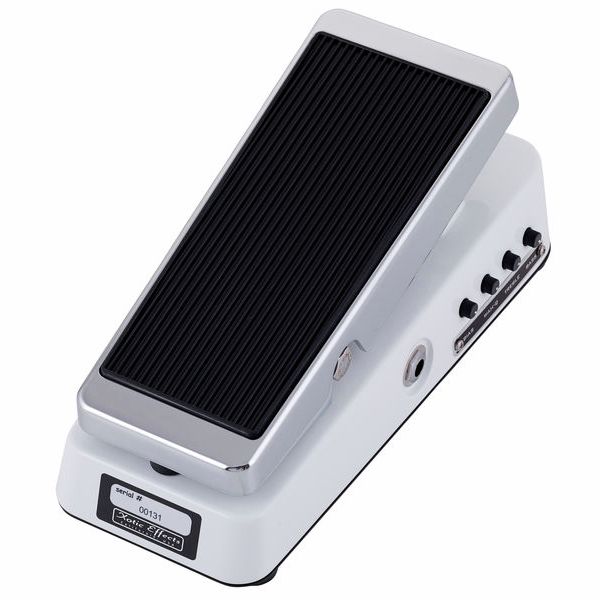
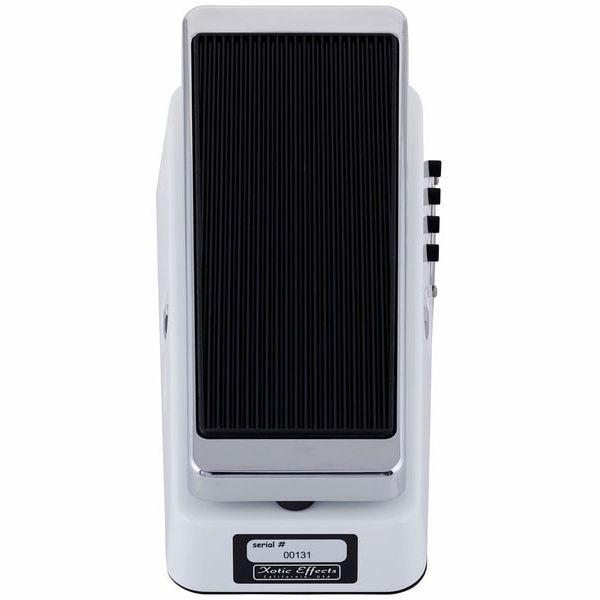
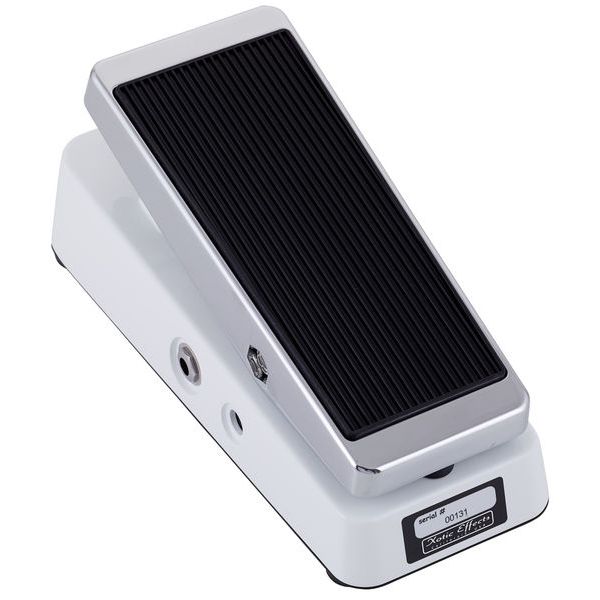
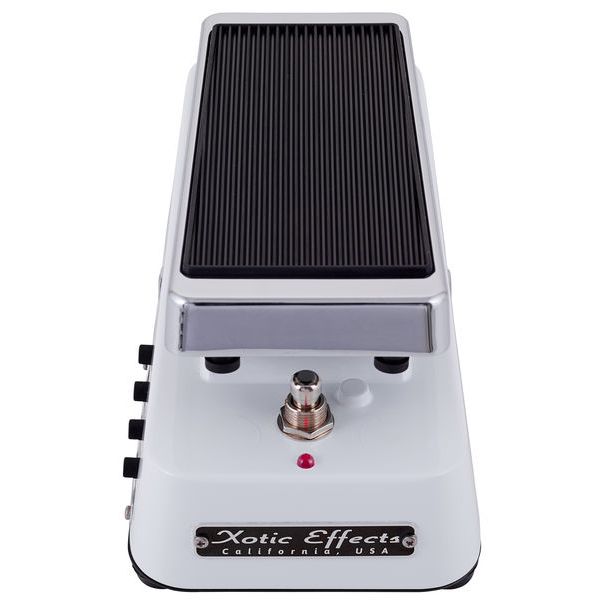


Electrische gitaar effectpedaal
- Wah Wah
- Analoge bediening
- True bypass
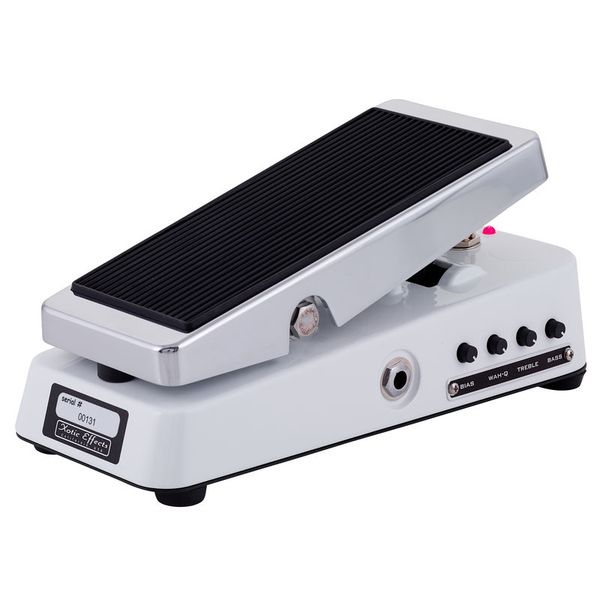
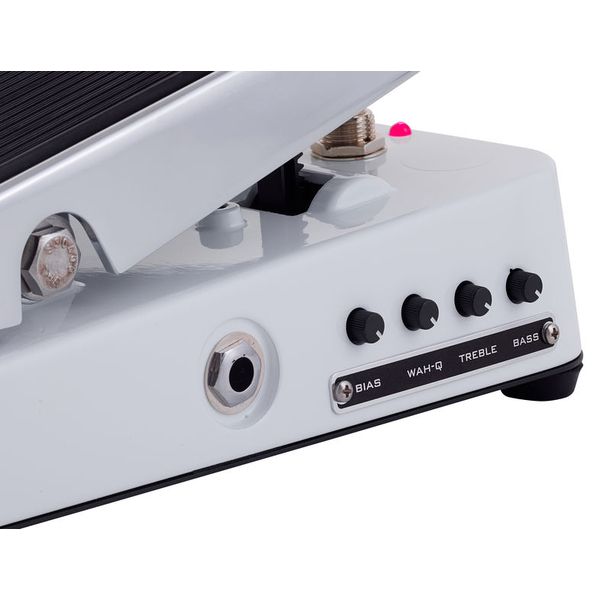
- Bias Control verandert de basiskenmerken van de Wah: transparantie / basweergave / uitvoer
- Wah Q Control verandert de kwaliteit van het filter voor bijv. Vocal-achtige Wah-effecten
- Treble & Bass Control: 2-bands EQ met 15 dB boost / cut voor treble en bas
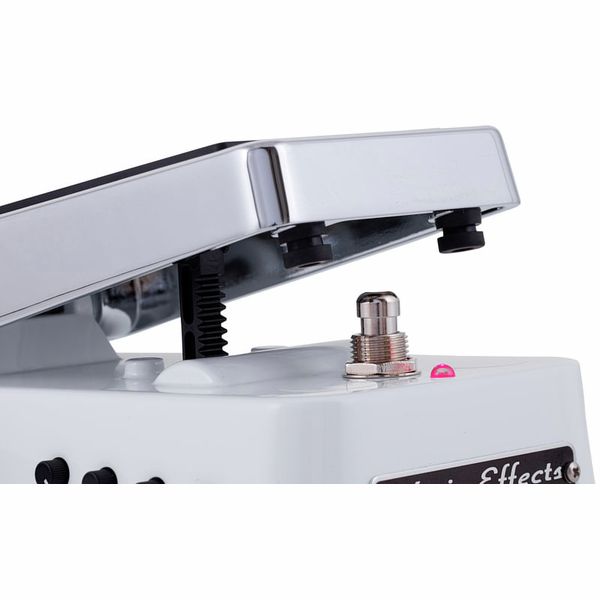
- Instelbare pedaalslag
- Instelbare pedaalweerstand
- Intern instelbare bestuurbare boost: tot +6 dB
- Intern instelbare DIP-schakelaars voor het regelen van de resonantie-frequentiebreedte van het Wah-effect
- Status-LED aan bovenzijde (knippert wanneer de batterijlading lager is dan 50%)
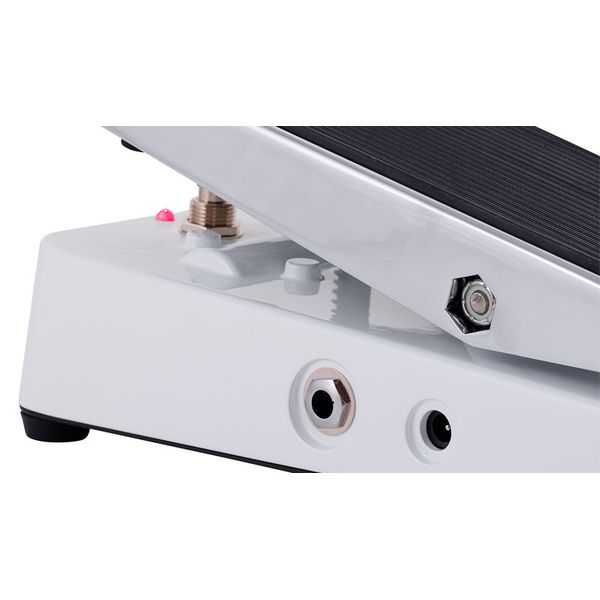
- Voeding: 9V batterij of 9V DC voeding (niet inbegrepen - beschikbaar onder art. 409939), 2,1 mm barrelconnector, polariteit: (-) binnen, (+) buiten
- Gemaakt in de VS.
Opmerking: registreer uw product op www.w-distribution.com/ Garantie en verleng de garantie tot 4 jaar.
-
Leverbaar sinds December 2014
-
artikelnummer 350538
-
verkoopseenheid 1 stuk
-
Wah Wah Pedal Yes
-
Volume Pedal No
-
Dynamic Wah No
-
Distortion No
-
True Bypass Yes
A compact classic wah
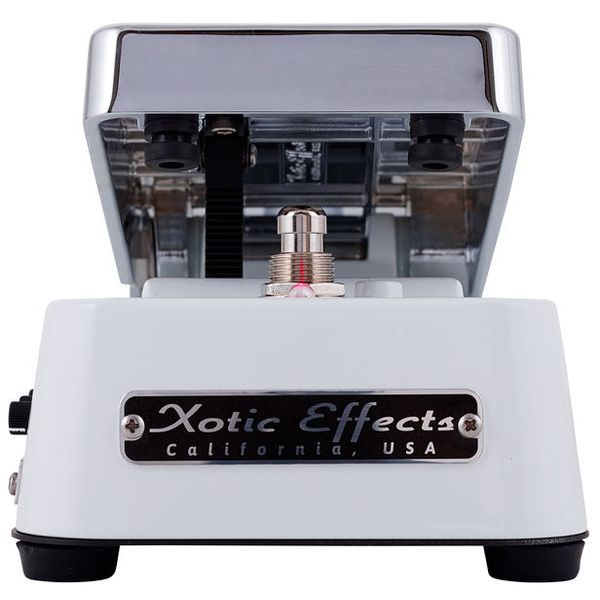
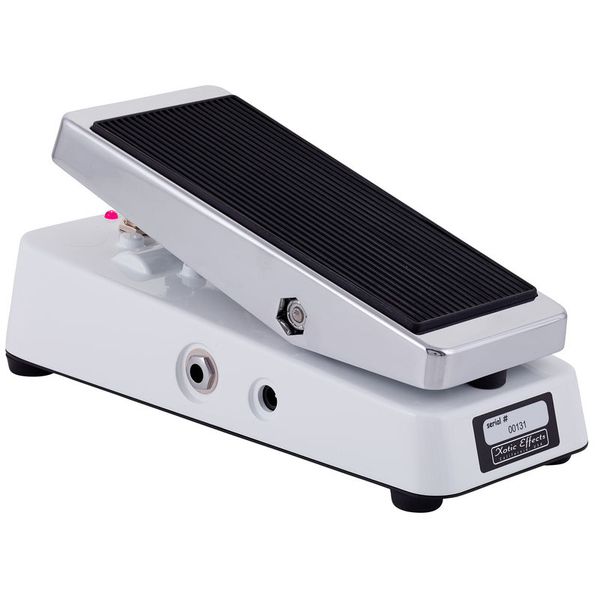
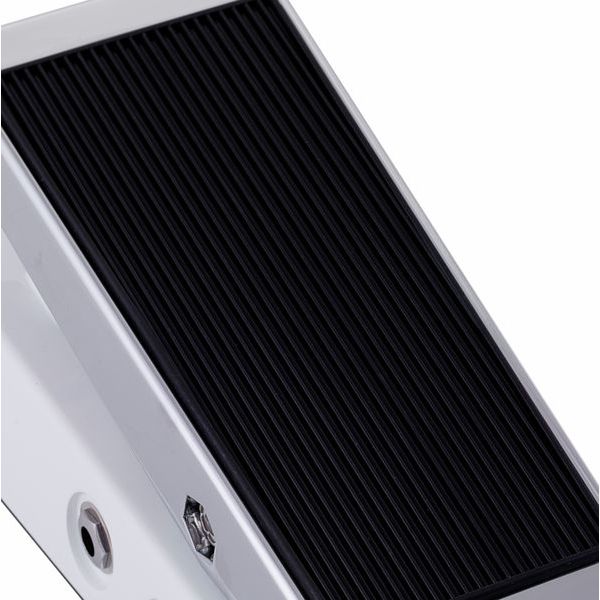
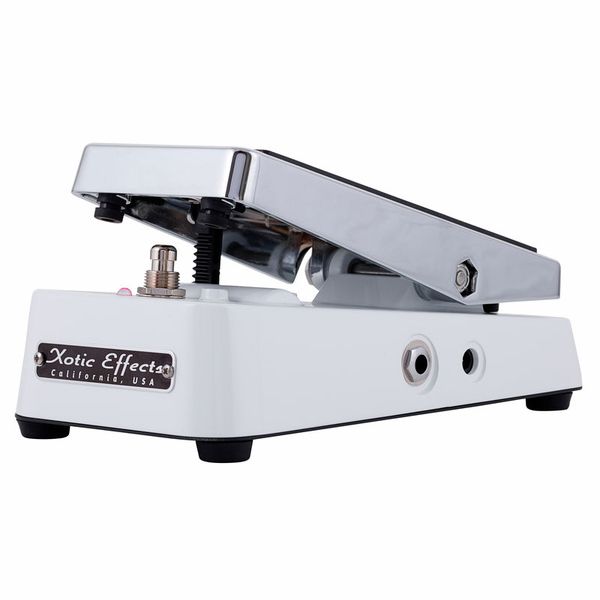
The Xotic XW-1 Wah takes its sonic cues from arguably the most sought-after wah pedals ever made: the Italian-built Clyde McCoy pedals of 1967 and 1968, still revered by guitarists as the Holy Grail of wah tone. Still, Xotic has added its own twist to the recipe, as well as working to make the XW-1's footprint around 20% smaller than a standard wah. On a crowded pedalboard, that difference is often what decides whether there's still room for a tuner or an overdrive next to the wah. Of course, even a boutique wah like this isn't always going to be treated gently: Fortunately, the solid metal housing and chrome treadle are built to take it, while self-lubricating nylon bushings at the pivot keep the pedal's movement quiet and smooth.

)
Alter the sound without reaching for the soldering iron
Wahs have always been a favourite target for modding, but on the Xotic XW-1, there are four knobs on the right-hand siden that are capable of a series of fine adjustments that would otherwise call for a soldering iron. The Bias control shifts the circuit's operating point: Set cold, the wah sounds clear, transparent, and smooth through the sweep, like many vintage pedals; turned warmer, it gains output, firmer lows, and a more pronounced sweep. Wah-Q sets the width of the filter peak, and with it how subtle or how vocal the effect sounds. The two-band EQ boosts or cuts treble and bass by up to 15dB, which is great for matching the wah to the pickups and amp – to tame the low end of humbuckers, for instance. The manual even includes sample settings for three Clyde McCoy variants from 1967 to 1969, plus a Hot Rod setting especially for humbuckers.
)
A wah for tone tweakers
Guitarists who want to go deeper will find a second layer of adjustment inside the Xotic XW-1 Wah. Externally and mechanically, though, they can set both the treadle's travel and its resistance – the former by shimming a rubber stopper, the latter with a hex nut. Then, inside, four DIP switches brighten or darken the toe-down position, activate a booster with up to 6dB of gain (fine-tuned via a trim pot), tame any harshness with a presence cut, and shift the filter frequency for a deeper, more vocal character. Accessing these settings mean opening up the housing, so they're not something to change between songs. That makes the XW-1 a pedal for experienced players who really want to dial their wah in properly to their guitar, amp, and board – once it's set, it stays set.
)
About Xotic
The story of US-based manufacturer Xotic California began in the late 1990s with the Robotalk, an innovative guitar effects pedal featuring a random arpeggiator and a vareity of filters. Today, the product lineup includes an extensive range of high-quality boosters and preamps, as well as buffer, bass, compressor, and wah pedals. Since then, Xotic has successfully expanded into the custom guitar market, producing exceptional replicas of iconic guitar designs in their workshop in Van Nuys, California. Under the name Raw Vintage, finally, Xotic also offers a wide range of pickups and other components for stringed instruments, further cementing its reputation as a top-tier brand in the music industry.
Wah this way
As a filter effect, a wah usually sits early in the signal chain between guitar and amp. That's where the Xotic XW-1 Wah feels at home too, and its relay-switched true bypass means nothing is lost tonally when it's switched off. Furthermore, Xotic has also fiited the XW-1 with a specially tuned buffer circuit designed to smooth out the notoriously tricky relationship between wah and fuzz. Vintage fuzzes with low input impedance traditionally have to go before the wah, so they can be hooked straight up to the guitar's pickups – otherwise, they can be quickly thrown off by the wah's output, which shifts with every movement of the treadle. Still, there are no hard and fast rules on a pedalboard: After all, none other than Jimi Hendrix often ran his wah into a Fuzz Face, shaping part of his guitar sound's unmistakable wail.